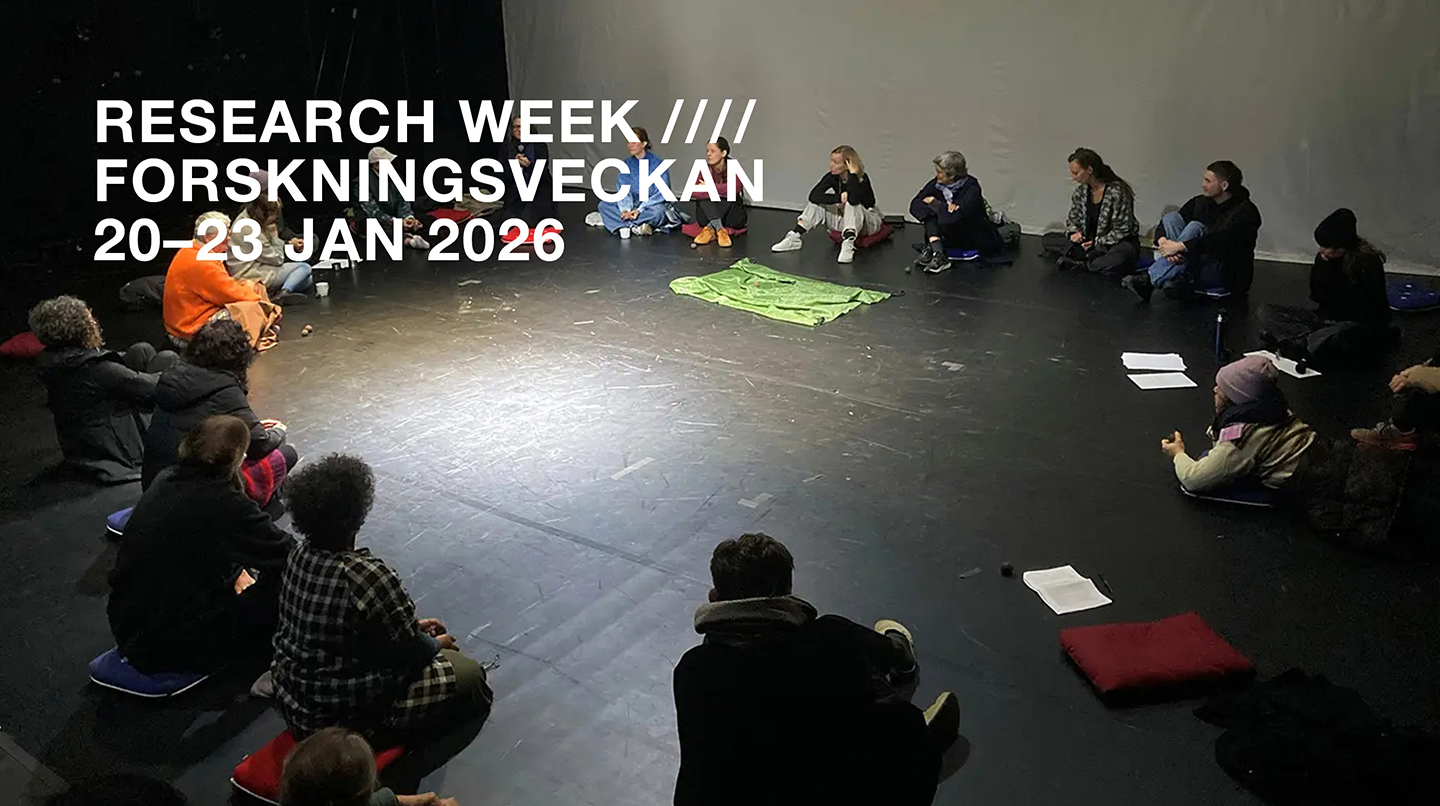
Pictures from Research Week 2026
_1440x806.jpg&w=3840&q=75)
_1000px.jpg)
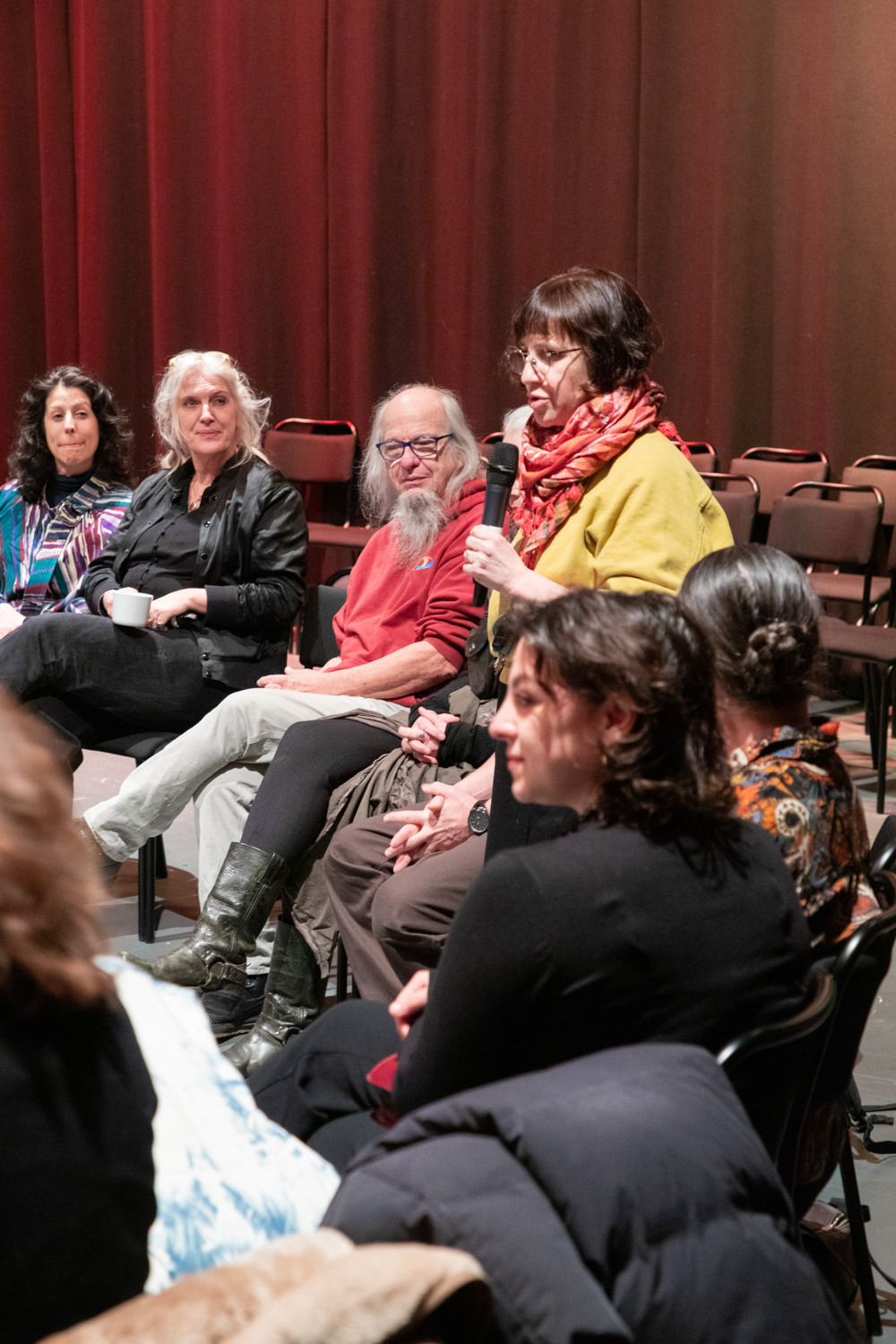
This year's edition of Research Week was led by the university’s three profile professors, with John-Paul Zaccarini as coordinator. Here, Petra Bauer, profile professor in the field of art, technology and materiality, leads a concluding feedback session where linkages and strands are explored and discussed.
-_1000pxjpg.jpg)
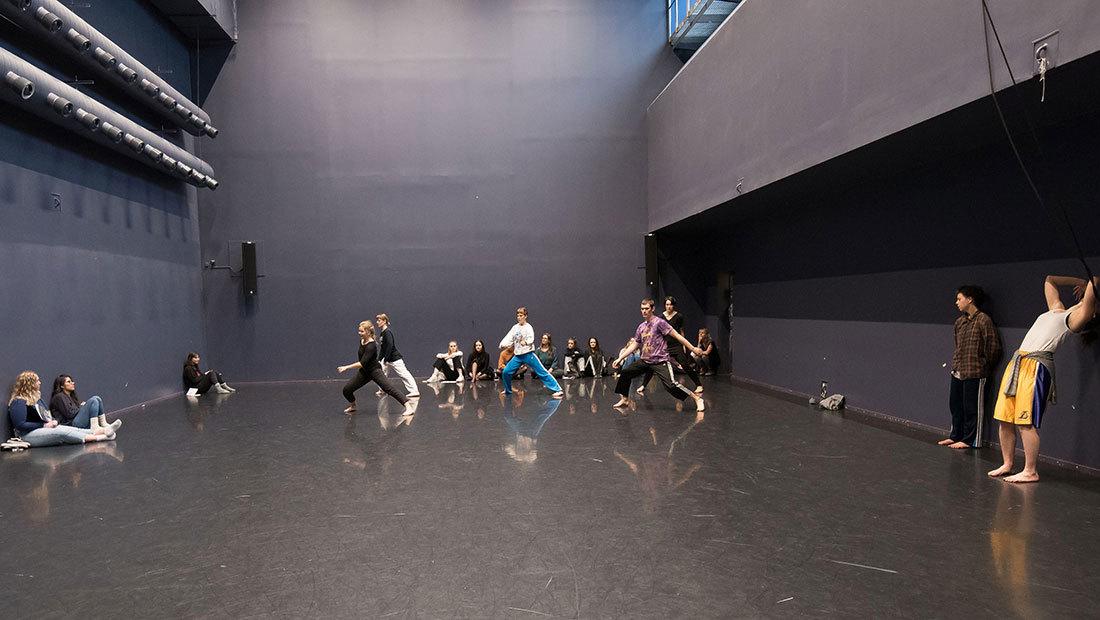
One of the strengths of Research Week is how the audience is constantly given the opportunity to participate and try out different ideas. Here, Eleanor Bauer, postdoc in contemporary dance, demonstrates a practical exercise in how dance techniques can strengthen and develop mathematical cognitive abilities.
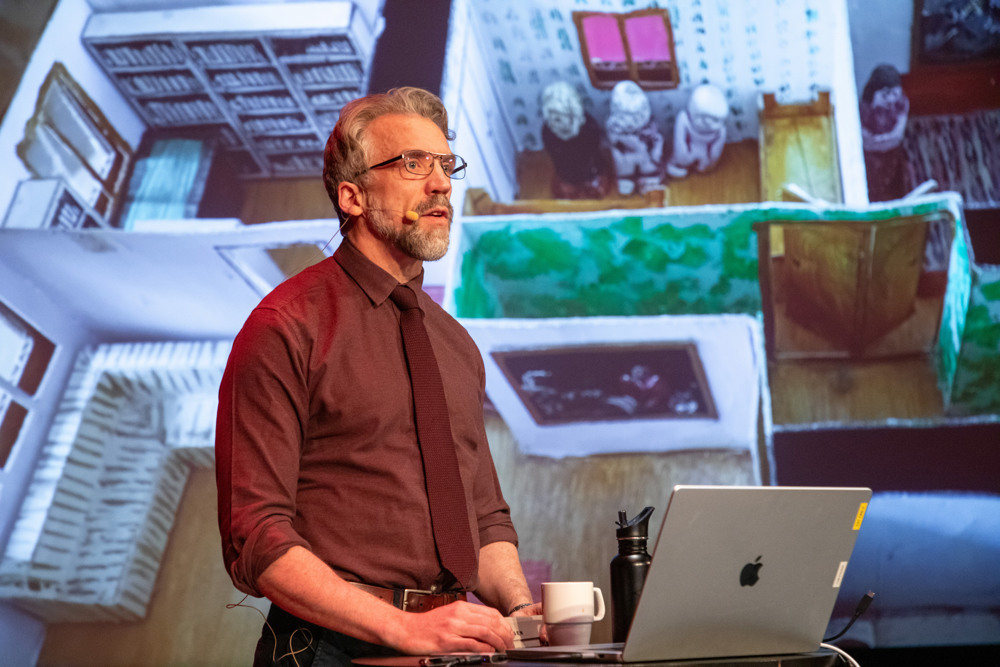
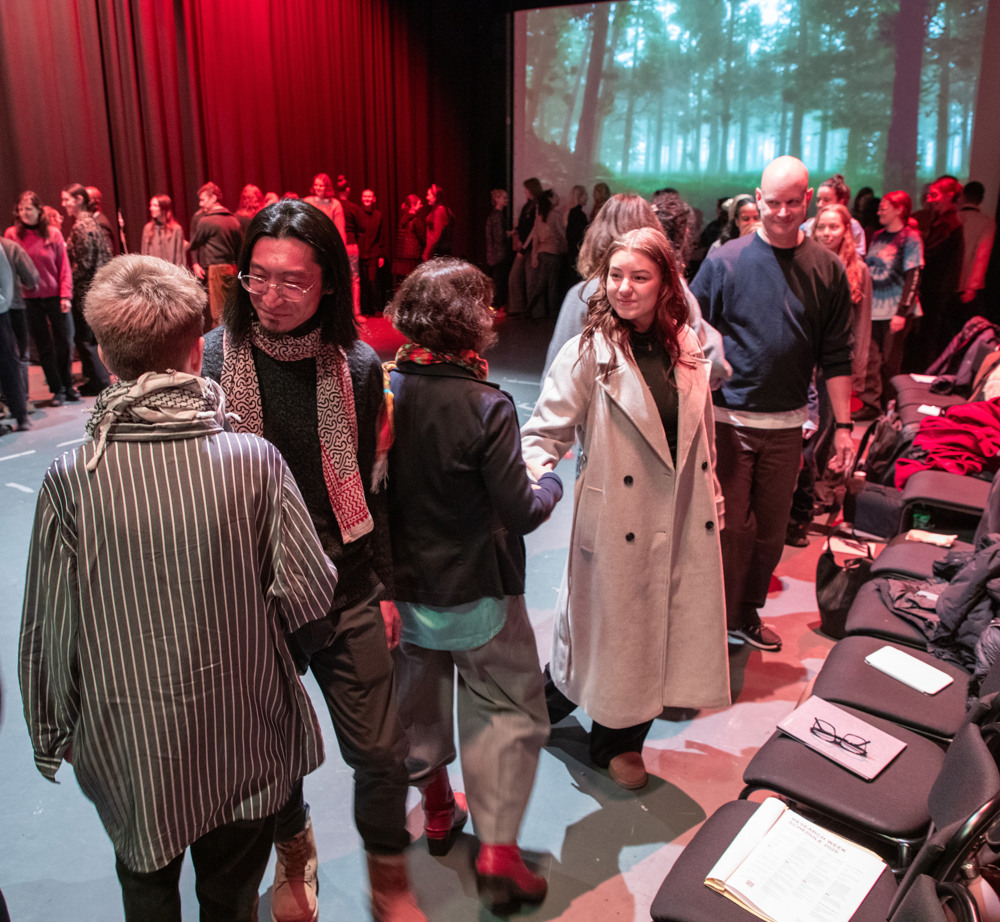
How our art forms are affected by AI is one of the hot topics of our time. Alexander Skantze has used an AI language model to produce drafts of TV scripts, with mediocre results. He believes that the lack of understanding of emotional contexts and openings for imagination means that, in its current state, the technology will not be able to replace humans entirely.
_1000px.jpg)
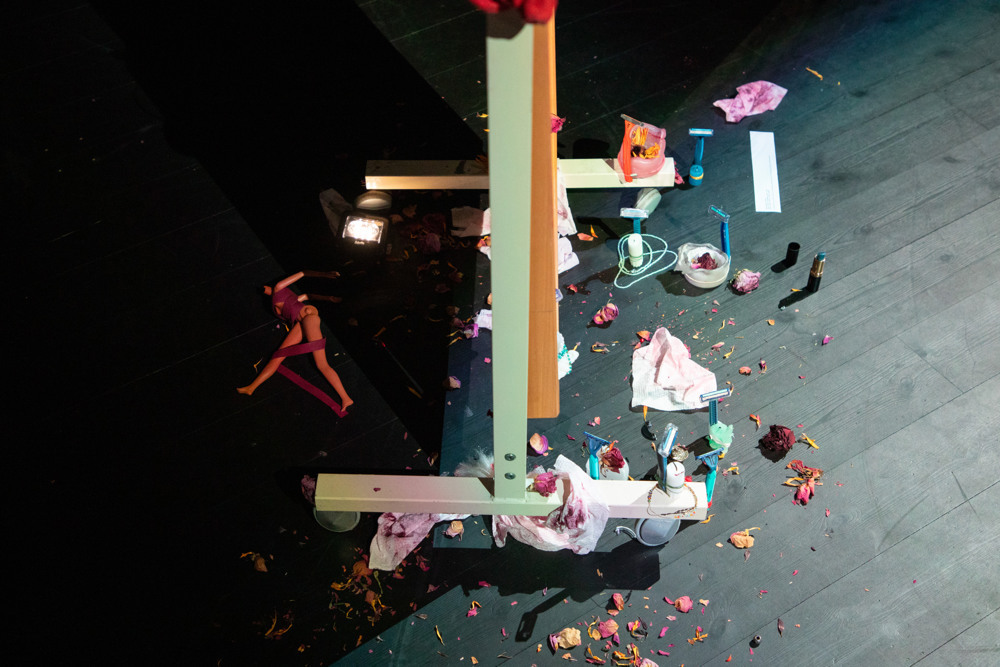
Parallel to the presentations during Research Week, a series of exhibitions is taking place. Students in the Master’s programme in choreography have enriched their dance pieces by also addressing their themes in exhibition form. Here, student Ģirts Dubults has used traces taken from the self-care aspects of drag culture for an installation that focuses on the many functionalities of mirrors.
_1000px.jpg)
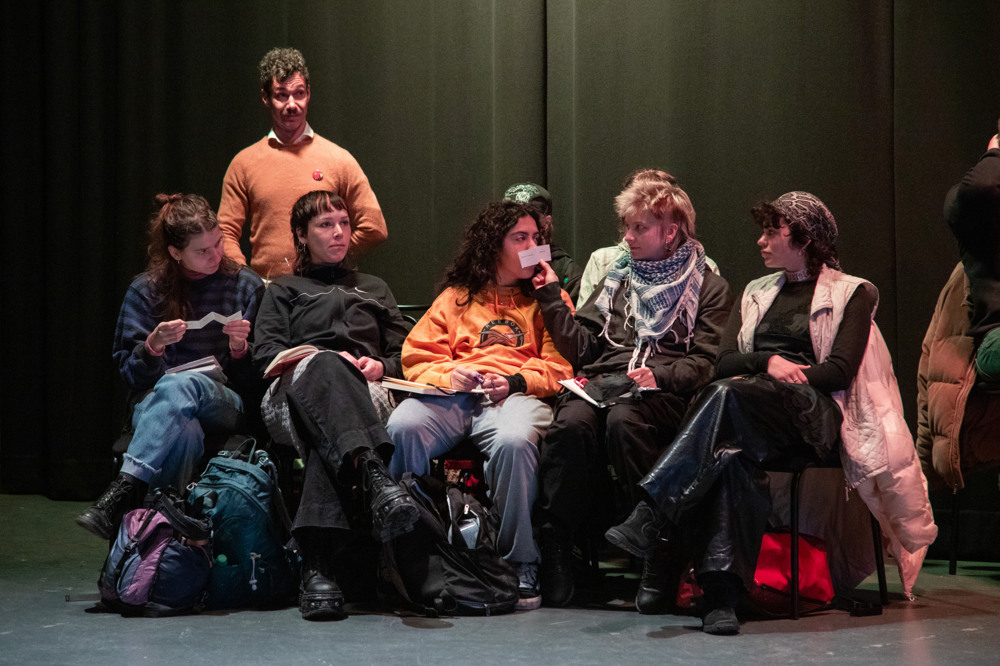
Many students participate in Research Week to learn more about their subjects or to gain unexpected inspiration that can provide ideas for the future. Here, a group of students are given the opportunity to smell one of PhD student Alice MacKenzie’s scent zines and consider how they can be linked to dancers’ ownership of their own creativity.
_1000px.jpg)
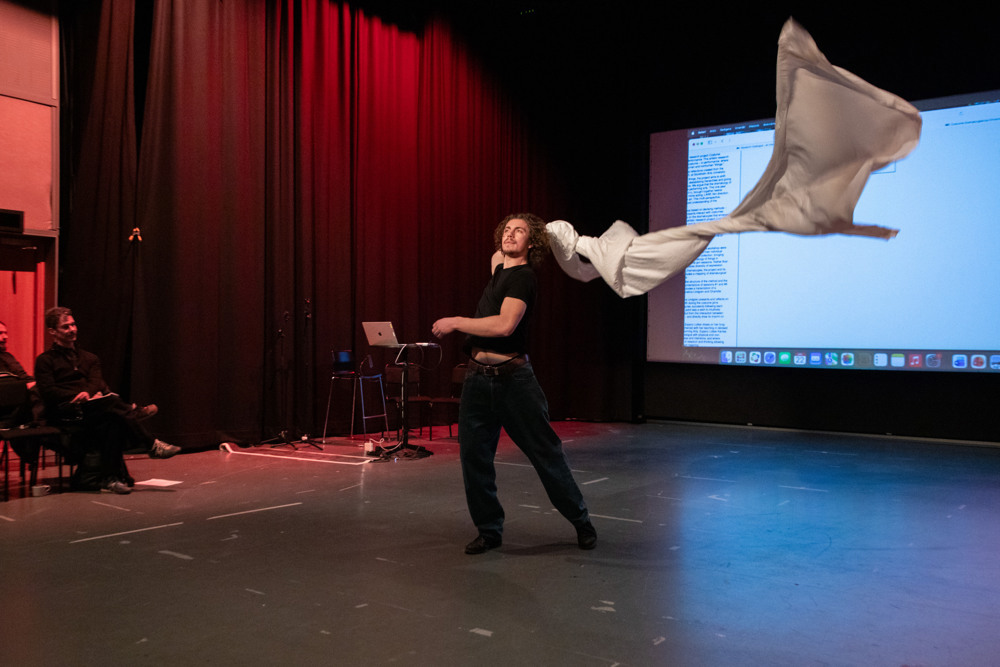
In some sessions, participants gain direct insight into how research is conducted by observing a workshop format in practice. Here, a select group of volunteers improvise possible narrative elements out of a blank, white sheet, a recurring element in assistant professor Christina Lindgren's research on stage costume.
_1000px.jpg)
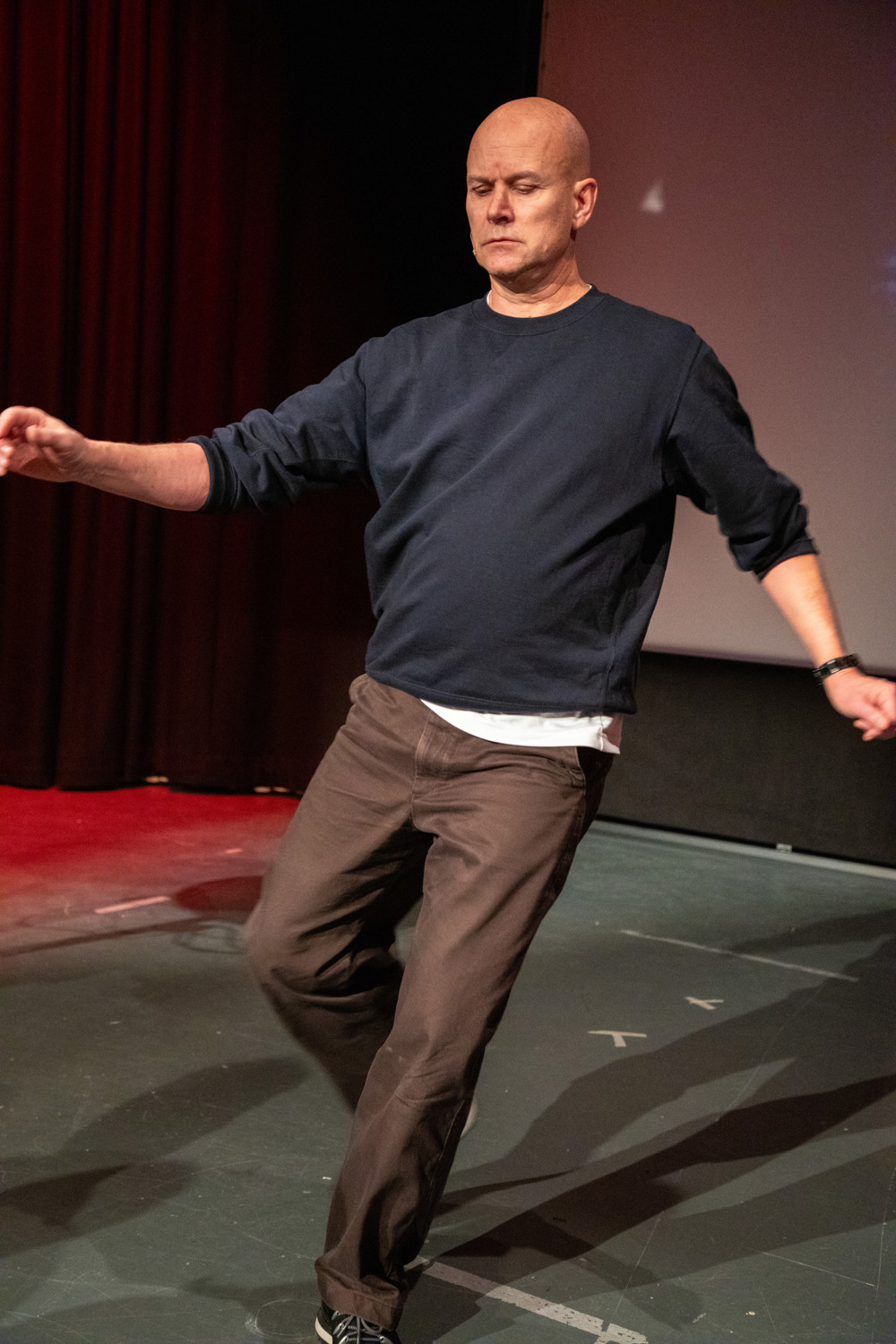
Artistic research has its own conceptual framework and way of understanding the world, but so does each individual art form. Andreas Berchtold, assistant professor in folk dance and PhD student, investigates semiospheres, the specific spaces of understanding that are built into different dance contexts. What determines how we see the possibilities of folk dance, in contrast to contemporary dance?
_1000px.jpg)
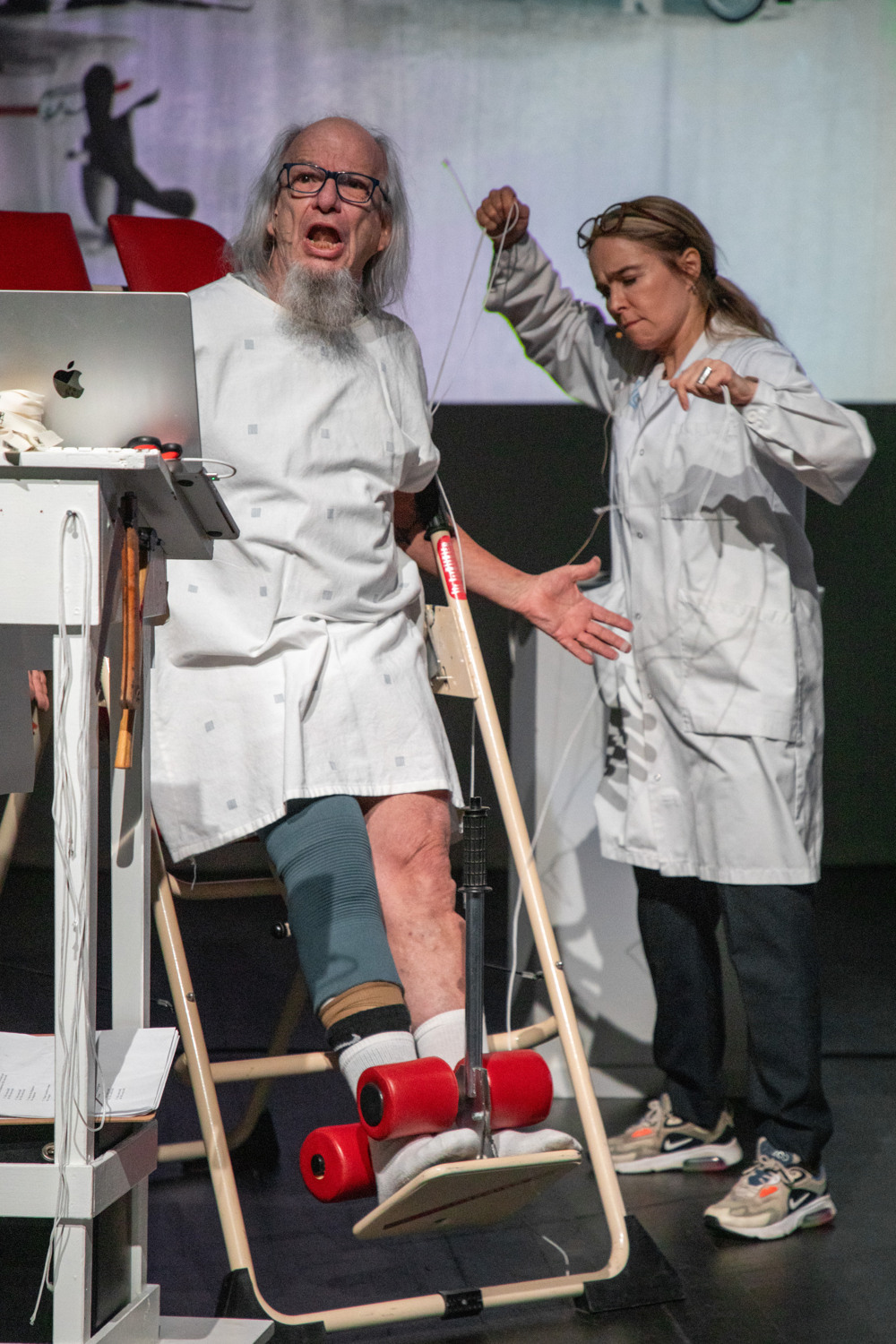
One of the strongest aspects of Research Week is how it opens up opportunities for cross-disciplinary collaborative projects. Thomas Brennan, assistant lecturer of post production, has developed parts of a multidisciplinary work together with choreographer and dance educator Madeleine Karlsson, in which he explores his own leg amputation from a so-called cyborg perspective – where exactly is the boundary between machine and human, and how can this be used artistically?
_1000px.jpg)
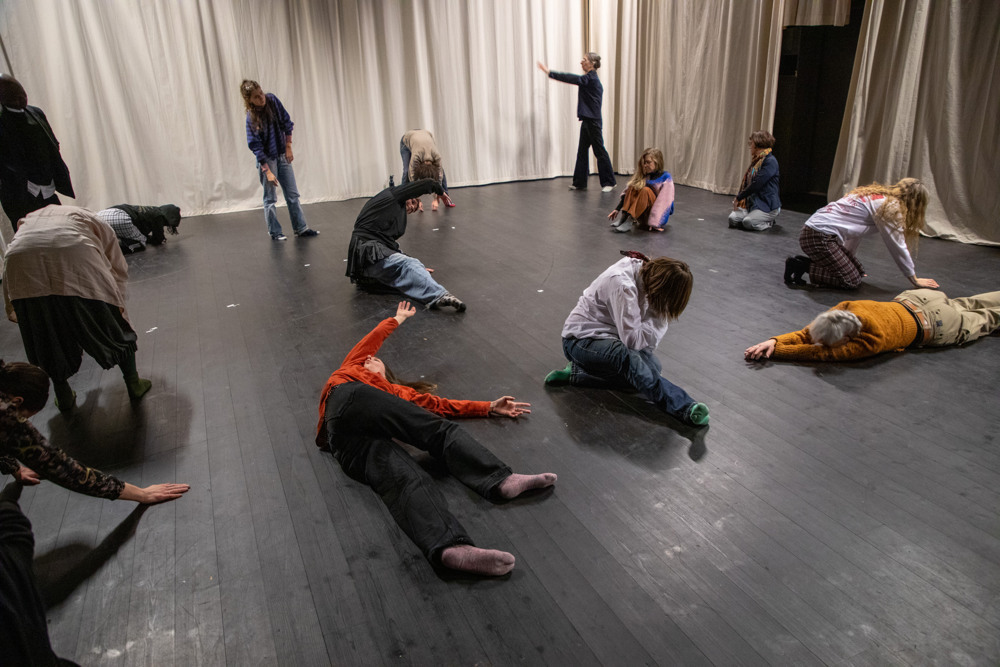
Some sessions during Research Week are held in the form of workshops. Tove Salmgren, assistant professor in choreography, explores together with Moa Franzén and Kajsa Wadhia how the body's mechanisms can be used to produce new sounds and ways of using the voice. Through a series of exercises, participants gain insight into how they can let go of ingrained limitations in how they can make sounds.
_1000px.jpg)
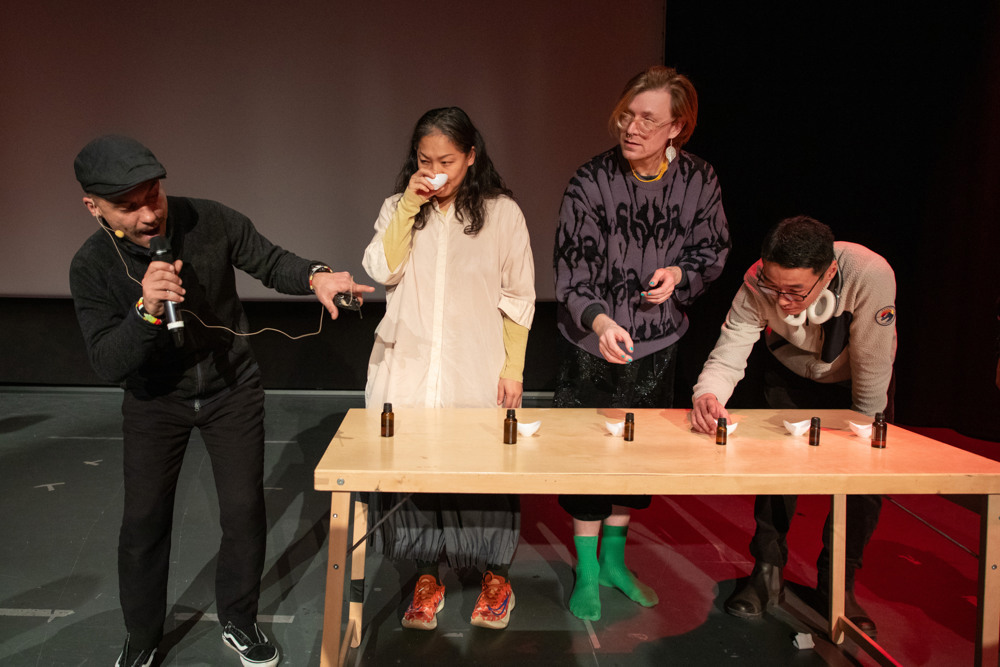
Research impulses can come from many unexpected sources, a fact that surely counts as one of the key strengths of artistic research. Drawing on his parallel background as a perfumer, Carl Axel Holmes, assistant professor in circus arts, examines how the scent of French wig powder changed as a result of increasingly intensive colonial exploitation during the 17th and 18th centuries. What significance can something as fleeting as a scent have, including in a performing arts context?