Startpage
Research Search
Authorship Ownership and Control: Dancers' roles and materials
Research Projects

Authorship Ownership and Control: Dancers' roles and materials

This artistic research aims to bring nuance and understanding to experiences of authorship, ownership, and control as situated in the embodied, relational, and implicit knowledges of dancers. Project Leader: Chrysa Parkinson
Split screen studio maquette with hand and many objects

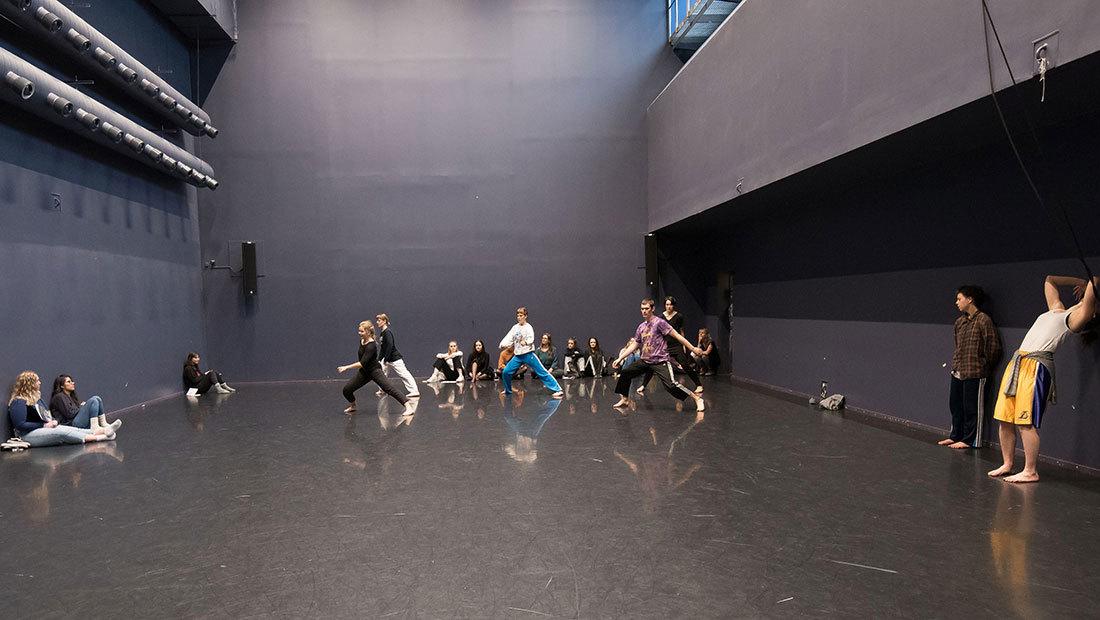
Authorship Ownership and Control: Dancers’ Roles and Materials is a three-year artistic research project that examines how dancers’ experiences and know-hows might challenge received understandings and practices relating to authorship, ownership and control. The research engages with these notions as embodied, experiential, and constitutive dynamics of artists’ work with dance, as well as vectors of broader legal, aesthetic, social, and political forces and historical formations. The research centres dancers’ experiences of creating, learning, and passing on dance as key sites where authorship, ownership, and control are practically negotiated.

The research is built around dialogue and time spent in the studio with around 30 dancers, choreographers, and technicians. This process situates notions of authorship, ownership and control in the working processes and language of participants' own experiences and reflections. Based on these dialogues and emerging materials, the project develops forms of documentation, remembrance, transmission and re-enactment that seek to stay with the particular material, aesthetic and social concerns participants describe. Particular emphasis is given to matters such as time, space, rhythm, proximity, sensation, skill and transmission. As these matters become, endure, or decay within practice, how do they challenge or constitute experiences of authorship, ownership, and control?

Aim and research questions

The research asks how experiences of authorship, ownership, and control are practiced, lived with, and articulated in dancers’ work, and how these experiences complicate received understandings of authorship within dance and art. The performer’s authorial relation to the creation of roles and materials in artistic process and performance is essential to discussions of dancers’ agency in the North American and European concert dance and performance field. In Western “contemporary” arts contexts, authorship is often assumed to be from a singular, autonomous subject who owns and controls the work they produce. When considering dance practices and work structures, as well as related scholarship in critical theory, philosophy, publishing, and technology, these assumptions call for re-examination. The project contends that while relational, distributed, embodied, tacit, porous, and reproductive processes of creation and interpretation are central to dance-making, they remain underexplored in discourses of authorship, ownership, and control. The project aims to keep these constitutive processes and materials central in its own processes and research design.

Research implementation and anticipated impact

Currently in the second year, the research team is completing studio conversations with remaining participants and developing processes focused on analysis, remembrance, transmission, and performance. These include grounded theory inspired coding to trace emergent patterns within and across conversations, alongside methods for embodied and collective discursive practice such as family constellations, summonings and memory cards. The team is also developing studio-based processes of re-enactment, transmission, and remembrance, drawing on oral traditions in dance and working with touch, voice, duration, felt sense, movement, and storytelling. Collaborations have been initiated with external experts in museum conservation, copyright and intellectual property law, legal scholarship, and digital publishing. Together, these processes lead to three outcomes: a poetic glossary of dance materials drawn from dancers’ language; Materials to Remember, A series of short performances drawing from the language, rhythms, durations, proximities, affects, and textures of studio conversations; and artistic licenses emerging from the specific’ articulations of dancers authorship. The research opens questions concerning distributions of labour, wages, credit, reciprocity, and capital, with broader implications for feminist and decolonial practice, ethics of collaboration and care, pedagogies of transmission, alternative archival practices, and scholarship on intellectual property and publishing.

Collaboration

Researchers: Alice Mackenzie, Frank Bock, Andrew Hardwidge, Scott Delahunta, Gabriel Schenker // Collaborators: The participating dance artists, choreographers and technicians / Cullberg Dance Company, Sweden / The Tate Modern, United Kingdom / Stockholm University, Sweden /

Research funding

Swedish Research Council

Schedule

2024-2027

Links

Episode 2 of Thorns: Rose Choreographic school podcast series 

Chrysa and Mette Edvardsen talk about their identities as performers and choreographers, translation in their practices and the politics of authorship in choreography and dance. https://rosechoreographicschool.com/publications/thorns-episode-two

 VIS Journal: Studio Conversations https://www.en.visjournal.nu/vis-10-studio-conversations
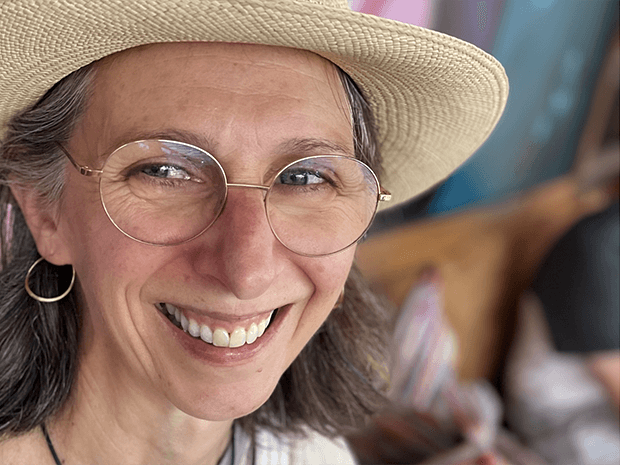
""
Photo: Kayte Slater

Professor of Dance for the profile area Concept and Composition, Chrysa Parkinson

Subscribe to our Research news
Find people
SKH Play

Telephone: 08-49 400 000
General information: info@uniarts.se
Questions about studies: studieinfo@uniarts.se
Questions about doctoral studies: phdpositions@uniarts.se